


1497 Tempat Tidur Bertema Mobil Keren Pembalap untuk Anak
Tempat tidur anak pembalap keren ini menghadirkan sensasi mobil sport sungguhan ke dalam kamar ti
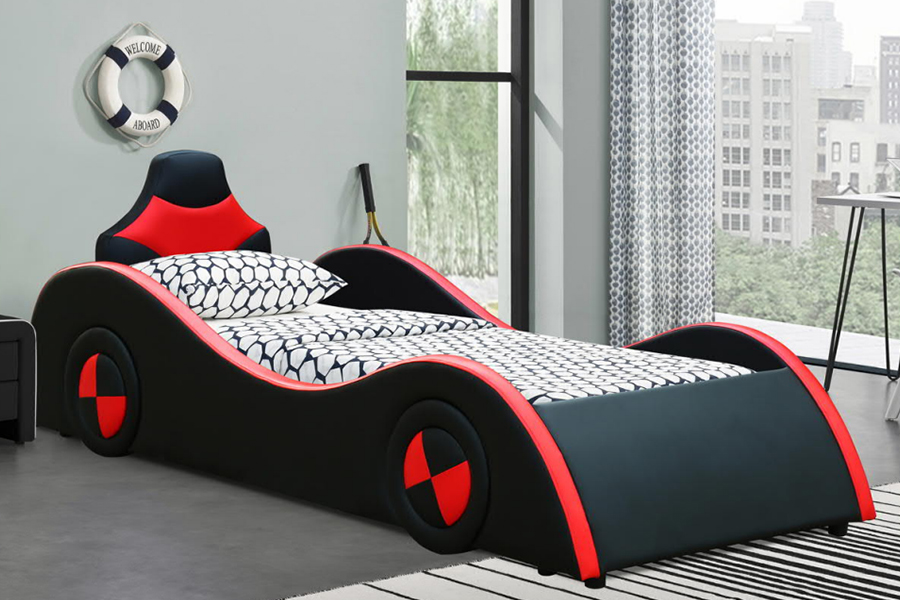
Tempat tidur anak pembalap keren ini menghadirkan sensasi mobil sport sungguhan ke dalam kamar ti
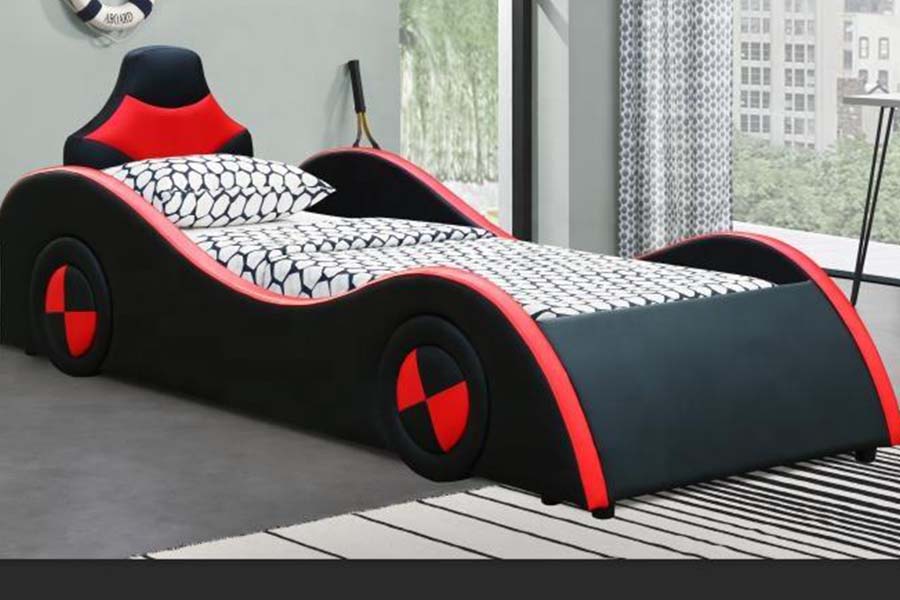
Tempat Tidur Bergaya Mobil Balap Super Bentuk S 1497—tujuan tidur dan bermain terbaik yang meng
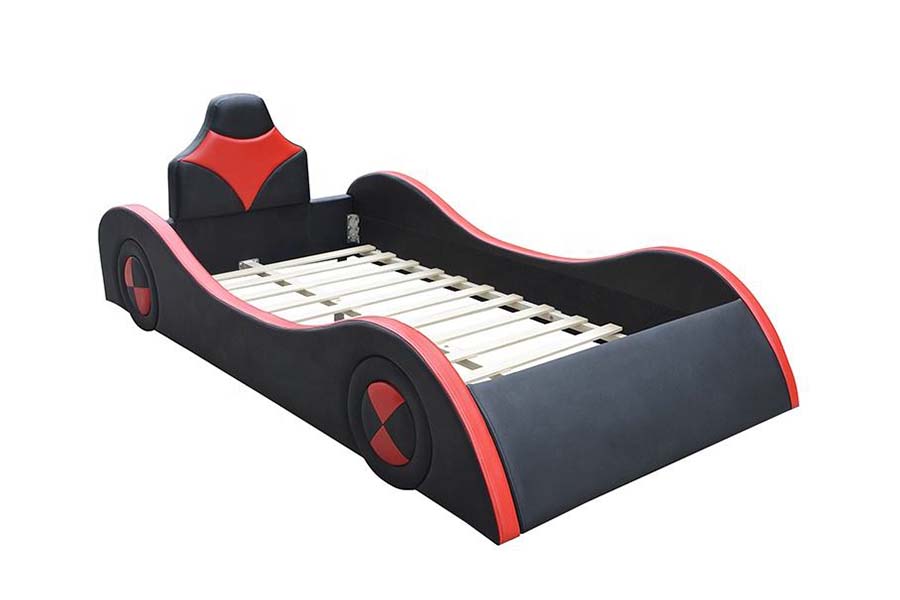
Tempat Tidur Mobil Kulit 1510—solusi tidur keren dan imajinatif yang mengubah waktu tidur menja
Bagi anak muda penggemar mobil, tempat tidur berbentuk mobil ini adalah impian utama yang menjadi kenyataan. Desainnya dibuat dengan cermat menyerupai mobil sungguhan, lengkap dengan lekukan ramping dan warna-warna cerah, mengubah waktu tidur menjadi petualangan yang mengasyikkan. Anak Anda tidak hanya akan tidur; mereka akan merasa seperti berada di belakang kemudi, menyusuri jalan raya yang indah dengan kecepatan penuh.
Konstruksi kokoh memastikan keamanan dan daya tahan, memberikan ketenangan pikiran bagi orang tua sekaligus memberi anak-anak tempat yang sempurna untuk beristirahat dan bermain. Ini lebih dari sekedar tempat tidur; ini adalah taman bermain dan panggung untuk imajinasi mereka. Baik saat mereka berpacu melalui jalan khayalan atau melayang ke alam mimpi, setiap momen di ranjang ini terasa seperti perjalanan yang mengasyikkan.
Perhatian terhadap detail, mulai dari lampu depan hingga roda, menghidupkan fantasi, mendorong kreativitas dan permainan interaktif. Ini juga cocok dengan kamar tidur mana pun, menambahkan sentuhan ekstra kesenangan dan kegembiraan pada ruangan.
Sempurna untuk anak laki-laki dan perempuan yang menyukai mobil, tempat tidur ini menawarkan solusi fungsional dan menyenangkan untuk anak-anak yang ingin merasa seperti sedang mengendarai mobil balapnya sendiri setiap malam.
Panjang Tepat Tempat Tidur King UK Tempat tidur ukuran king UK berukuran Panjangnya 200cm (6'6"). dan lebar 150cm (5'0"). Itu adalah ukuran kasur yang dibuat oleh seluruh industri, mulai dari produsen tempat tidur hingga pemasok rangka, jadi ketik...
Lihat Lebih BanyakTemukan Sumbernya Sebelum Anda Memperbaikinya Setiap derit mempunyai alamat yang pasti, meskipun rasanya seperti datang dari mana-mana sekaligus. Sebelum mengambil oli atau kunci inggris, luangkan waktu dua menit untuk melacak kebisingannya — ini adalah satu langkah y...
Lihat Lebih BanyakMengapa Furnitur Kamar Tidur Lebih Rentan Dari Kelihatannya Segelas air yang terjatuh di meja samping tempat tidur, alat pelembab udara yang bocor semalaman, jendela yang dibiarkan terbuka saat terjadi badai — semua hal tersebut tidak terasa seperti keadaan darurat pa...
Lihat Lebih BanyakHigh-traffic children's furniture needs a balance of light weight, rigidity and long-term durability. Common choices for car-shaped bed frames include engineered boards (MDF/HDF) for detailed molding, plywood or solid timber for high-stress load-bearing parts, and powder-coated steel for internal chassis or ladder supports. Each material affects finish, joinery methods and expected lifespan:
Safety for car beds means more than a guardrail; it’s an integrated approach. Consider impact edges, height limits, anti-tip fixation, and non-toxic finishes. Useful practical guidance:
A car bed's envelope dictates mattress choice. Oversized decorative panels may reduce the usable mattress footprint; plan the internal slat or platform dimensions first. For comfort and safety:
| Bed Type | Typical Mattress Size (cm) | Recommended Age Range |
| Toddler Car Bed | 70 × 140 | 1.5–4 years |
| Single/Junior Car Bed | 90 × 190 / 90 × 200 | 3–10 years |
| Twin or Convertible Designs | 100 × 200 (varies) | 5+ years / grow-with-me models |
Careful assembly ensures structural performance. Design for modular panels, keyed fasteners and clear hardware labeling to shorten installation time and reduce errors. Quality checks to include:
A childrens car bed is also a playset; expect scuffs, stickers and occasional rough handling. Practical maintenance extends service life and keeps the product safe:
Customization improves user satisfaction and can be modularized in production: paint schemes, decals, functional LED lights, sound modules and under-bed storage are common add-ons. Practical implementation ideas:
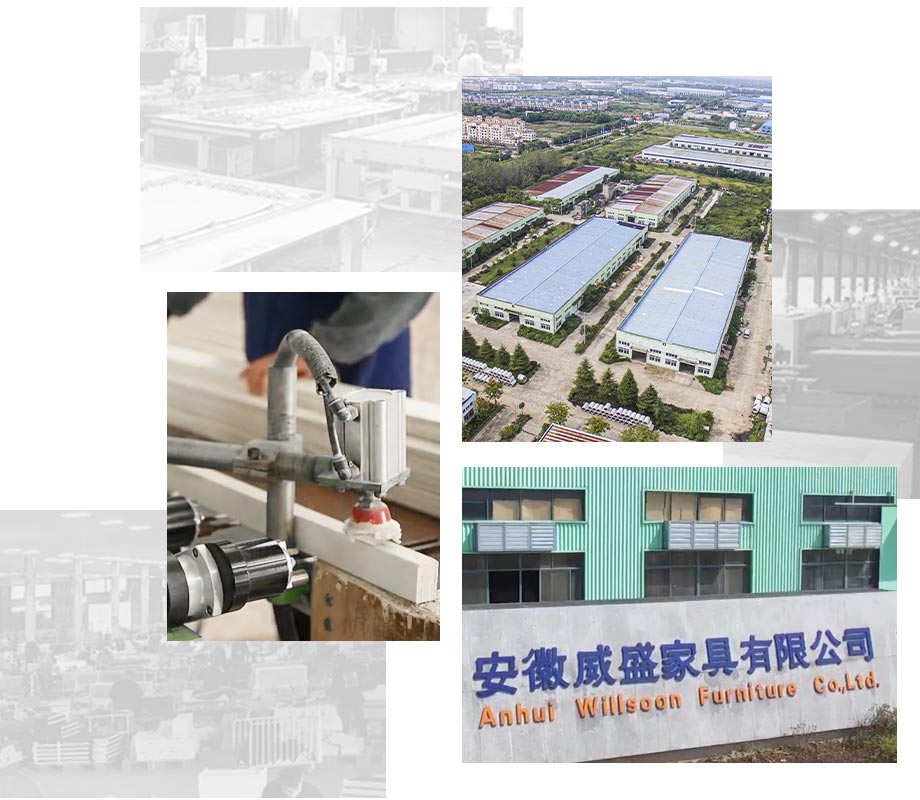
Design for flat-pack transport where possible: break large panels into keyed sections, nest small hardware in labeled bags and protect visible finishes with foam and kraft. For buyers evaluating suppliers, capacity and lead times are decisive factors. As a manufacturer with deep production capability, we emphasize consistent output and reliable shipping—our production systems support large orders while maintaining finish consistency and inspection standards.
When planning containerized export, package orientation, pallet footprint and protected corners usually determine how many units fit per 20' or 40' container; confirm carton dimensions early in quoting to avoid surprises at FOB stage.
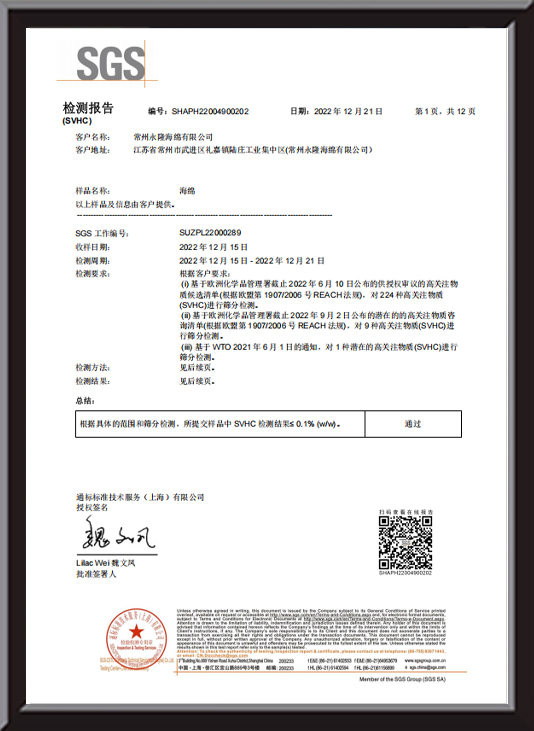
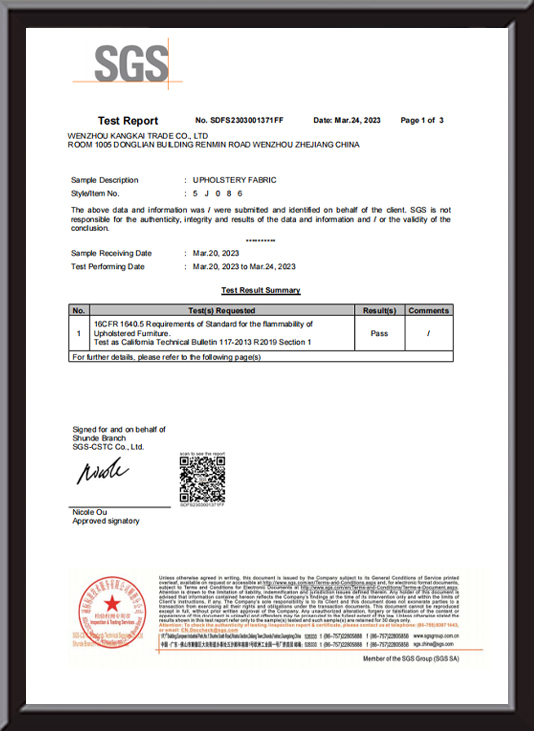
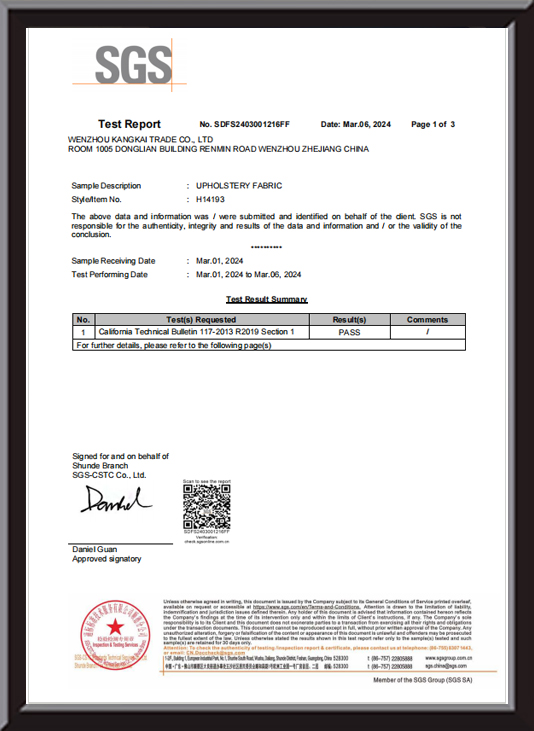
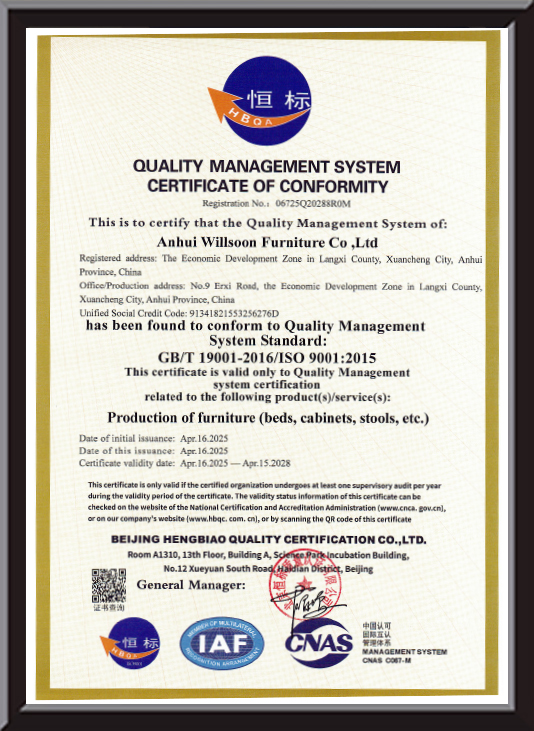
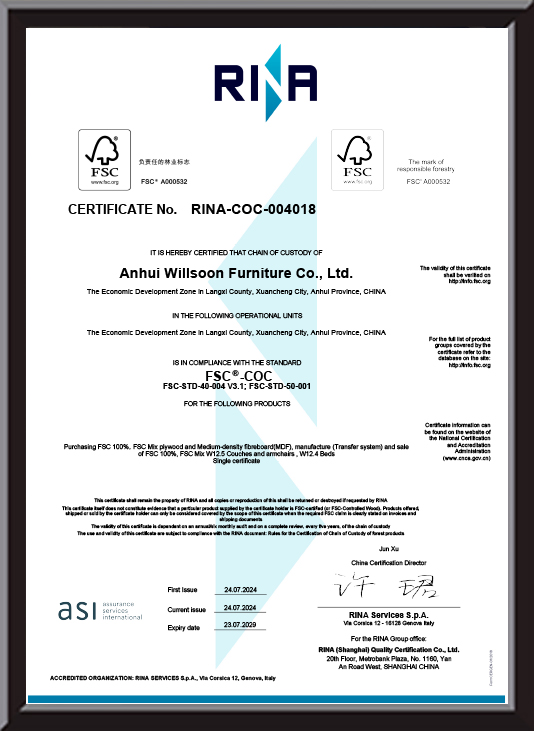
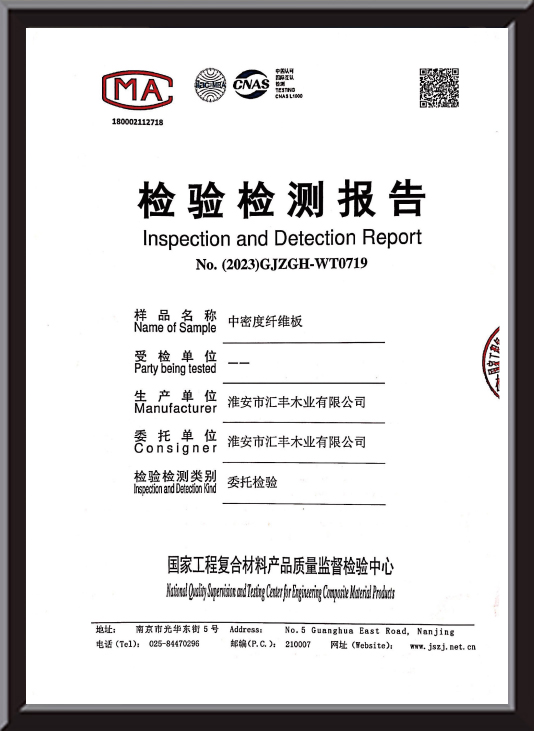
Ask suppliers for concrete evidence: sample test reports for finishes (VOC), formaldehyde emissions if composite boards are used, and mechanical test results for guardrails and anchors. A clear warranty covering manufacturing defects and hardware for a defined period helps downstream customers manage risk. From our side, we always offer transparent documentation and pre-shipment inspection options to ensure specifications are met.

Baishijian Rd, Zona Pengembangan Ekonomi Langxi, Langxi, Anhui 242100, Cina
+86 563 7375018 (Kantor)
+86 15956277532 (Ponsel)
[email protected] (Surel)
Hubungi kami untuk inspirasi terbaru dan katalog produk terbaru kami.
